2021-08-08 09:51:08
In einer Kleinstadt mit weniger als 10.000 Einwohnern ist das städtische Krankenhaus weit entfernt und es ist für die Bewohner schwierig, einen Arzt aufzusuchen – die Stadt Babadag in Rumänien steht vor einem solchen Dilemma. Als einer der EU-Mitgliedsstaaten weist Rumänien die höchste Wirtschaftswachstumsrate auf, wurde 2019 von der Weltbank in die Riege der einkommensstarken Volkswirtschaften aufgenommen und ist in seiner Wirtschaftskraft nicht zu unterschätzen;
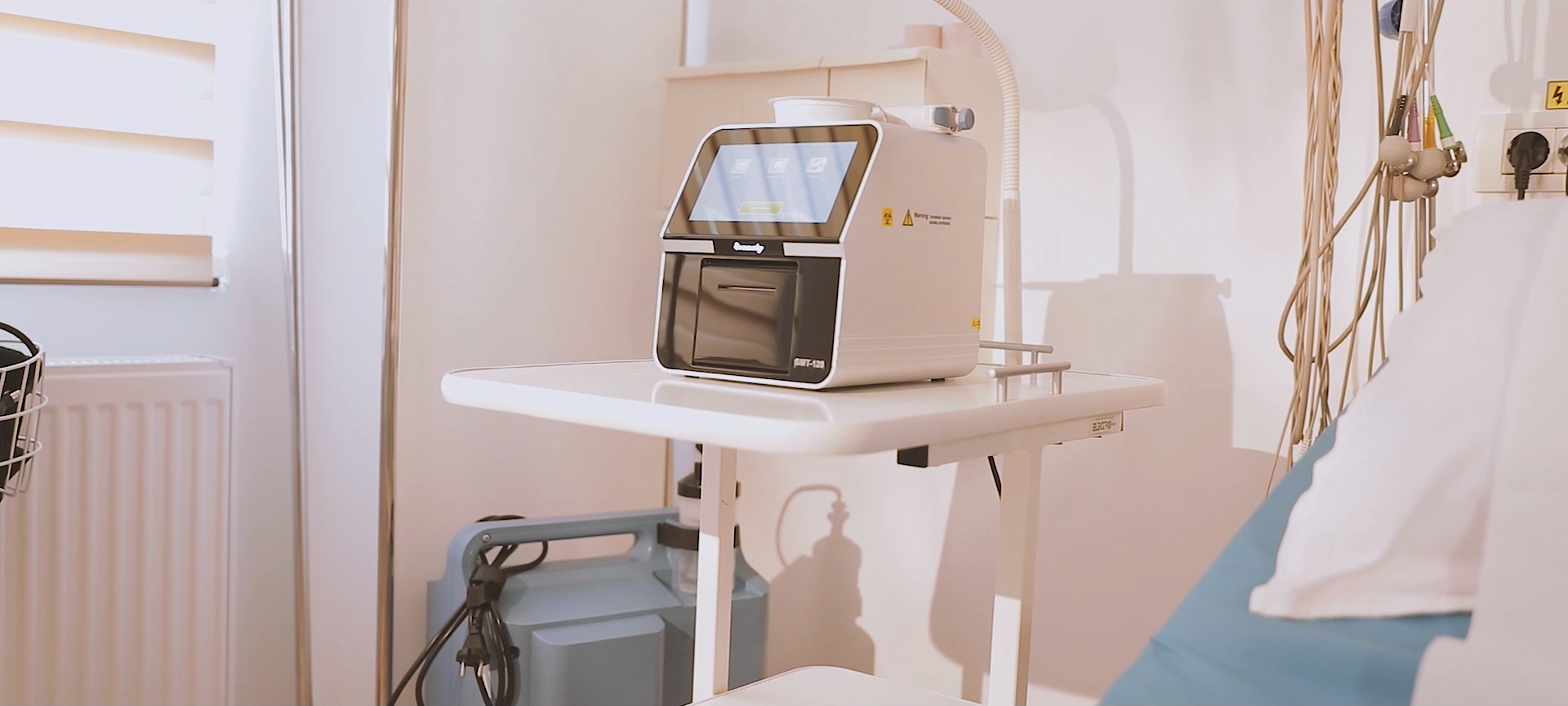
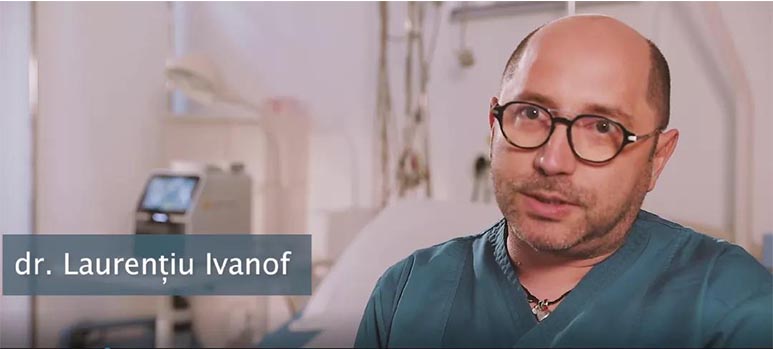
Es liegt auf der Hand, dass Rumänien kein solches Problem haben wird, dass es aufgrund der großen Entfernung schwierig ist, einen Arzt aufzusuchen. Fakt ist aber, dass das städtische Krankenhaus, in dem sich Babadag befindet, vor zehn Jahren von der damaligen rumänischen Regierung geschlossen wurde und die Anwohner seitdem nur noch in 35 Kilometer entfernten anderen Krankenhäusern zum Arzt gehen können. Die Nachfrage nach medizinischer Behandlung treibt die Entwicklung der medizinischen Versorgung voran. Bald erkannte Dr. Laurentiu Lvanof das Problem der Schwierigkeiten der Anwohner, einen Arzt aufzusuchen, und gründete das Allegra Medical Center, um das städtische Krankenhaus zu ersetzen, und versuchte, es einzuführen Einige moderne medizinische Geräte, um die Effizienz der Diagnose und Behandlung zu verbessern.Kundenzufriedenheit. Nach wiederholten Analysen und Vergleichen entschied er sich schließlich, das Produkt von Seamaty von der CHG International Medical Company zu bestellen: das automatische biochemische Analysegerät SMT-120.
2021-08-09
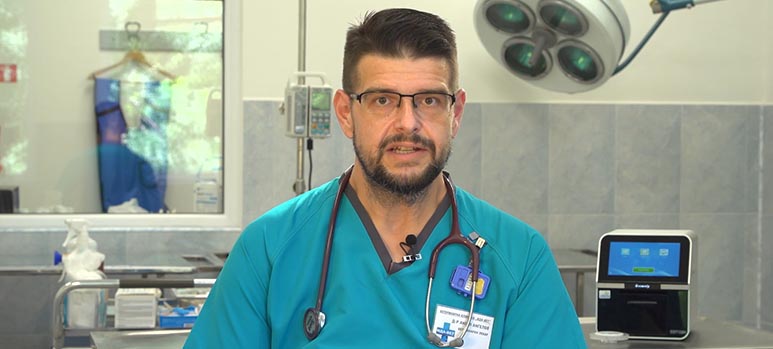
„Wer gute Arbeit leisten will, muss zuerst seine Werkzeuge schärfen.“ Jede Tierklinik, die größer und stärker werden will, kommt nicht ohne fortschrittliche Prüfgeräte aus, also anstatt darüber nachzudenken, wie man Kunden hohe Preise in Rechnung stellt, E
2021-08-08
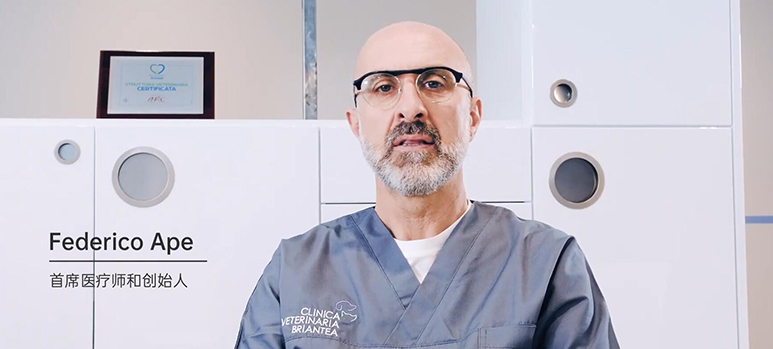
Die Einführung von SMT-120 hat die Testzeit stark verkürzt.“ Früher dauerte es 24 bis 48 Stunden, um Testergebnisse zu erhalten, aber jetzt kann ein vollständiger biochemischer Test für Patienten innerhalb von 12 Minuten bereitgestellt und dann mit Ultrasc
2021-08-04
Während der Epidemie waren die Volkswirtschaften verschiedener Länder in unterschiedlichem Maße betroffen, und die Entwicklung vieler Branchen zeigte einen schleppenden Trend, insbesondere der Dienstleistungssektor, und auch die Haustiermedizin als Zweig d